
Airport Terminal Buildings: Global Overview, Facilities, Technology & Insurance Prospects
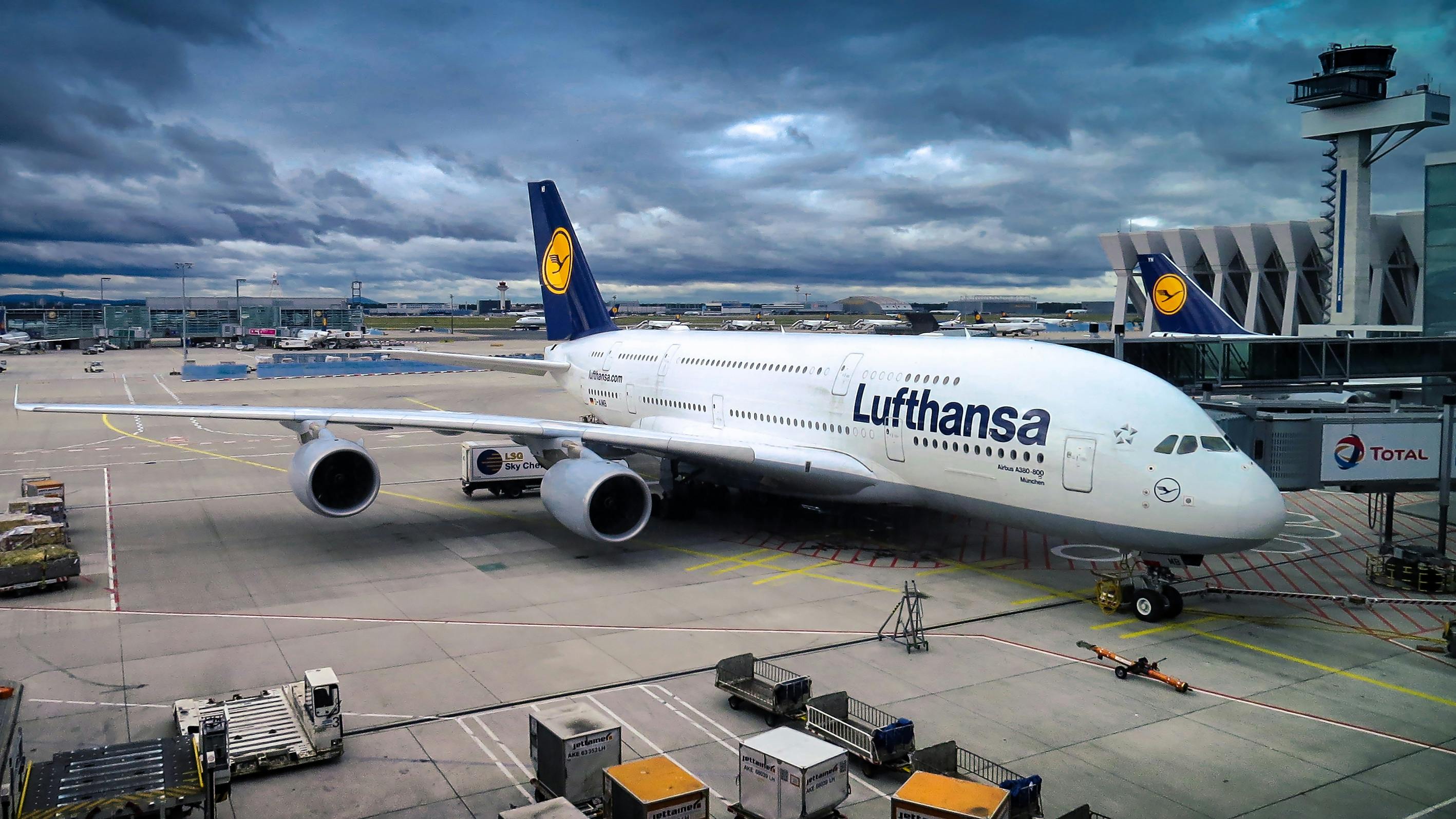
What Is an Airport Terminal Building?
An airport terminal is the principal building where passengers check-in, clear security and immigration, board aircraft, collect bags and access retail and service amenities. Terminals also contain operational zones such as baggage handling, control rooms and emergency response facilities.
Key Functions of Airport Terminals
- Passenger processing: check-in, transfers, boarding and arrivals
- Baggage handling: conveyors, screening and sorting
- Security & immigration: screening lanes and customs
- Commercial services: duty-free, F&B, lounges and hospitality
- Support services: maintenance, IT, HVAC and power backup
Market Size & Global Trends
The airport terminal construction and modernization market is expanding due to rising passenger demand, tourism rebounds and large-scale national projects. Recent estimates put the market at approximately USD 55 billion (2025) with projections toward USD 95 billion by 2032 as new hubs and upgrades come online.
Leading Countries & Projects
- China — mega hubs and highly automated terminals (e.g., Beijing Daxing expansions)
- UAE — Dubai & Abu Dhabi investing in smart passenger experiences
- India — Navi Mumbai, Jewar and Bengaluru T2 as major growth projects
- Singapore — Changi's future expansions focusing on passenger experience
- Turkey — Istanbul Airport: one of the world's largest terminal complexes
Components of a Terminal
| Component | Description |
|---|---|
| Landside | Check-in, ticketing, passenger drop-off, parking and transport links |
| Airside | Boarding gates, jet bridges, aprons and lounges |
| Baggage System | Conveyors, x-rays, sorters and reclaim carousels |
| Security Zones | X-ray/tunnel scanners, immigration counters and customs |
| Technical Areas | IT/network rooms, electrical, HVAC and control rooms |
Technology & Innovation
- Contactless travel: biometric gates, self-bag-drop and mobile boarding
- AI & analytics for passenger flow and staffing optimisation
- Automation in baggage handling and robotics for cleaning/security
- Smart energy solutions: solar rooftops, BMS and efficient HVAC
- IoT-enabled maintenance and predictive equipment monitoring
India — A High-Growth Market
India’s civil aviation expansion under national policies and regional connectivity programs is driving rapid terminal growth. Several greenfield and brownfield terminals are underway, positioning India among the fastest-growing terminal markets globally.
Risks Faced by Terminals
- Fire and electrical faults
- Flooding, storm damage and other natural hazards
- Cyber-security breaches impacting operations
- Terrorism, sabotage and security incidents
- Critical equipment failure (escalators, baggage systems)
Insurance Requirements & Cover Types
Terminals require layered insurance programs to cover property, liability and operational exposures. Key policy types include:
| Insurance Type | Purpose |
|---|---|
| Property Insurance | Protects the terminal building, interiors and fixed assets |
| Terrorism Insurance | Covers losses from politically motivated attacks or sabotage |
| Liability Insurance | Third-party and passenger injury claims |
| Business Interruption | Compensates lost revenue during shutdowns or restoration |
| Machinery Breakdown | Covers baggage conveyors, escalators, HVAC and other mechanical systems |
| Cyber Insurance | Protects against hacks, data breaches and operational system outages |
| Construction All-Risk (CAR) | Cover for new terminals during build phase |
Role of Insurance in Airport Operations
Insurance underpins resilience — enabling airport authorities, private operators, airlines, retailers and service contractors to manage large-capital exposures and maintain continuity in case of incidents.
Opportunities for Insurance Brokers & Underwriters
- High-value corporate packages (hundreds of crores / multi-million USD placements)
- Growing demand for cyber and terrorism covers
- Retailers, food & beverage units inside terminals require separate policies
- Annual maintenance contractors (AMCs) and MRO providers represent additional demand
Takeaway
Modern airport terminals are capital- and technology-intensive hubs that require tailored risk management and insurance solutions. For insurers and brokers, terminals present complex but sizeable opportunities across property, cyber, liability and specialist covers.
Frequently Asked Questions
A: Cyber insurance helps cover costs from ransomware, data breaches and operational outages that can halt check-in, boarding or baggage systems.
A: Many airports — especially large international hubs — require terrorism cover as part of their risk program, either by regulation or underwriting appetite.
A: Pricing factors include replacement value, business interruption exposure, security protocols, historical loss data, and the complexity of installed systems (baggage, IT, energy).
Post a Comment